
 By
By 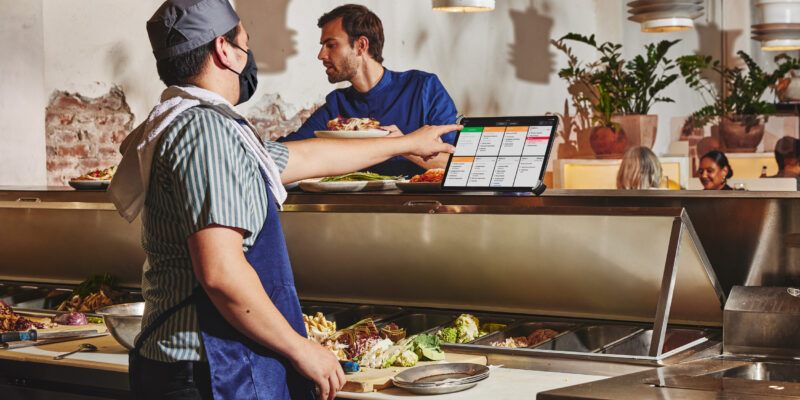
In most restaurants, when something goes wrong, it usually starts behind the scenes. Slow service, wrong orders, or inconsistent food often come down to how the back-of-house is running. The kitchen doesn’t need to be perfect, but it does need to be predictable, organized, and easy for staff to work in, especially during rush hours.
Fixing Bottlenecks
Every kitchen has pressure points. It could be one station slowing everything down, delays in prep, or confusion during peak hours-this is where restaurant back-of-house optimization becomes essential. Instead of trying to fix everything at once, it’s more useful to notice where things pile up.
Staff-friendly Kitchen
A good kitchen layout isn’t about design, it’s about movement. Staff shouldn’t have to cross paths constantly or search for tools in the middle of service.
When stations follow a natural sequence and commonly used items are within reach, it reduces stress and speeds up work without anyone realizing it.
Preparation to meet Efficiency
Service time often gets the attention, but most delays actually begin before service even starts. If prep work is rushed or incomplete, the kitchen ends up playing catch-up all day.
Clear prep routines, checklists, and basic planning can make a big difference. When ingredients are ready and portions are set, the team can focus on execution instead of scrambling.
Keep Communication brief
In a busy kitchen, long explanations don’t work. Communication needs to be quick, direct, and consistent.
Whether it’s calling out orders or coordinating between stations, clarity matters more than detail. Teams that communicate well tend to recover faster when things get hectic.
Inventory hassles
Inventory issues usually show up at the worst possible time, right in the middle of service. Running out of a key ingredient forces last-minute adjustments, which slows everything down.
A simple system to track stock and plan ahead helps avoid this. It’s less about having perfect numbers and more about staying aware of what’s running low.
Use of Technology
Not every restaurant needs advanced systems, but the right tools can remove a lot of friction. Digital order displays, for example, reduce confusion and keep everyone aligned without constant back-and-forth.
The goal isn’t to add more systems, it’s to simplify the ones you already use.
Clean as You Go
Waiting until the end of the shift to clean creates unnecessary pressure. A kitchen that stays relatively clean during service is easier to manage and safer to work in.
It also helps staff stay focused, since they’re not dealing with clutter while trying to keep up with orders.
Minimize Waste
Food waste is sometimes caused by tiny, recurrent practices such as over-prepping, improper storage, or irregular portion sizes.
Restaurants can make tiny changes over time by measuring what is thrown away and why. It’s not about cutting shortcuts; it’s about using resources more wisely.
Final Thoughts
Back-of-house operations don’t need to be complicated to be effective.
When the kitchen runs in a way that feels natural and consistent, everything else improves. Service becomes faster, staff feel less stressed, and the overall experience gets better without needing big changes.











Comments