
 By
By 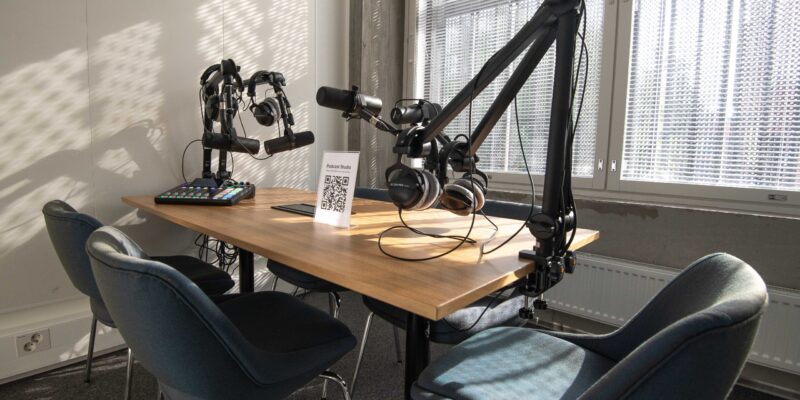
Running a podcast studio requires more than just good equipment and creative ideas. Regular maintenance is essential to ensure smooth recording sessions, high-quality output, and a professional experience for every client. By taking care of your studio and equipment, you can follow maintenance tips for studio owners to avoid technical issues, reduce downtime, and extend the life of your gear.
One of the most important aspects of studio maintenance is caring for audio equipment. Microphones, headphones, and recording devices should be checked regularly. Dust and dirt can affect sound quality, so cleaning equipment gently with proper tools is necessary. Cables should also be inspected for damage, as worn-out wires can cause noise issues or signal loss during recording.
Maintaining recording quality is another key factor. Regular sound checks should be performed to ensure that microphones are working properly and levels are set correctly. Monitoring systems should be tested before each session so that any issues can be fixed early. Keeping backup recording options ready is also a smart practice to prevent data loss.
Studio cleanliness plays a big role in overall maintenance. A clean and organised space creates a better working environment and helps protect sensitive equipment. Soundproofing materials, such as foam panels and curtains, should be kept in good condition to maintain proper acoustics. Keeping the studio free from clutter also makes it easier to manage cables and equipment.
Power management is another important area. All equipment should be connected to safe and reliable power sources. Using surge protectors helps prevent damage caused by sudden voltage changes. It is also important to check that all devices are charged and ready before a session begins.
Software and technical systems must also be updated regularly. Recording software, editing tools, and drivers should always be kept up to date to ensure compatibility and smooth performance. Regular backups of audio and video files are necessary to protect valuable content from accidental loss.
Proper storage of equipment is equally important. When not in use, microphones, cameras, and accessories should be stored safely to prevent damage. Using protective cases and covers can help keep equipment in good condition for a longer time.
Another key aspect of maintenance is preparing the studio before each session. Testing microphones, checking connections, and ensuring proper lighting and camera setup can help avoid delays. Allowing extra time for setup ensures that everything is ready when recording begins.
Having a basic troubleshooting plan is also helpful. Common issues like audio distortion, background noise, or connectivity problems should be identified and resolved quickly. Keeping spare cables, adapters, and backup devices can help handle unexpected situations.
Finally, maintaining a professional environment is essential. Clear communication with clients, proper scheduling, and organised workflows help ensure smooth operations. A well-maintained studio not only improves recording quality but also builds trust with clients and guests.
In conclusion, regular maintenance is the key to running a successful podcast studio. By taking care of equipment, maintaining cleanliness, managing power and software, and preparing properly for each session, studio owners can create a reliable and high-quality recording environment.










Comments