
 By
By 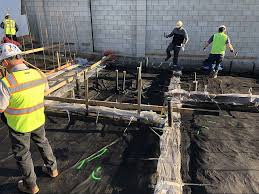
Subsurface threats can jeopardize long-term integrity in industrial development zones. Contaminants like vaporized chemicals seep from soil to interior spaces. These invisible risks increase safety concerns across both new and existing structures. To avoid future liability, engineered systems must stop vapor before it reaches foundations. Builders, developers, and engineers must learn more about barrier systems that ensure secure, compliant, and lasting industrial infrastructure.
Foundation design supported by subsurface vapor control
A foundation’s strength is not just in its material or depth. It includes how well it resists hidden contamination from below.
- Vapor membranes protect slab surfaces from chemical intrusion exposure
- Material layers help block gas movement toward occupied spaces
- Reinforced seams seal vulnerable areas between concrete joints
- Pre-applied liners reduce damage risk during the slab placement process
- Chemical-resistant films ensure longer service without frequent maintenance
Long-term benefits for industrial redevelopment projects
Old sites often contain legacy waste that risks new investment. Vapor barriers reduce exposure without removing existing underground material.
- Risk reduction supports insurance and regulatory approvals quickly
- Barrier systems lower the cost of excavation and material hauling
- Safer air quality reduces employee health concerns over time
- Long-term protection reduces environmental monitoring frequency
- Reliable vapor seals increase property valuation for future buyers
What makes vapor barriers essential during site preparation?
Ignoring vapor conditions increases cost during future retrofits or lawsuits. Pre-installation saves time and ensures that performance starts from day one.
Learn more through technical performance standards
Vapor barriers vary based on performance needs and compliance ratings. Project teams must learn more to match solutions with long-term goals.
- Compatibility checks help avoid delays from incorrect product selection
- Factory prefabrication speeds up on-site implementation schedules
- Mechanical systems allow future upgrades without redesigning the foundation
- Continuous monitoring sensors detect early warning signs of failure
- Layered solutions combine active and passive protection
Why choose vapor mitigation in development planning?
Ignoring subsurface gases adds future risk to any commercial asset. Planning protects both the structure and its users. Vapor solutions solve unseen issues early with reliable methods.
Integrated solutions supporting future industrial safety
Protecting future tenants starts with the right decisions during construction. Integration of vapor barriers improves risk control from day one.
- Systems fit beneath any industrial flooring or equipment setups
- Components match multiple building codes for regional compliance
- Material combinations allow custom protection based on soil type
- Designs adapt to warehouse, manufacturing, or storage facility layouts
- Retrofitting options available for older buildings facing vapor issues
Long build made safe
Safety begins far below the surface where risks remain unseen. Sealing that threat early saves effort, cost, and energy long term. When infrastructure protects from within, investment becomes future-ready. Systems built now support operations for decades with minimal concern. Thoughtful planning starts when engineering protection meets structural design from the start.










Comments